What Parents Can Do at Home to Support Pre-K Learning
Preparing your child for kindergarten starts long before the first day of school. While preschool programs provide valuable structure, the home environment plays an equally important role in shaping early learning habits. Parents influence how little ones view reading, problem-solving, and social interaction during these formative years. A thoughtful and consistent approach at home can strengthen what children learn in class and build confidence, making it part of a practical guide for parents focused on long-term success.
In this article, we’ll explore simple, effective ways parents can support pre-K learning at home and reinforce school readiness.
Building Early Literacy Through Reading
One of the most effective ways parents can support pre-K learning is by making reading a daily habit. Setting aside time to read together introduces children to new words, ideas, and storytelling structures while creating a positive association with books. According to Brightly, little ones who go to at least two years of preschool are more likely to do well in school later, and regular reading at home can further reinforce those early academic benefits.
Reading together also supports listening skills, comprehension, and attention span. Asking simple questions about the story or pictures helps young learners practice recalling details and expressing ideas. As part of a reliable guide for parents, reading routines help children see learning as enjoyable rather than intimidating.
Encouraging Learning Through Everyday Activities
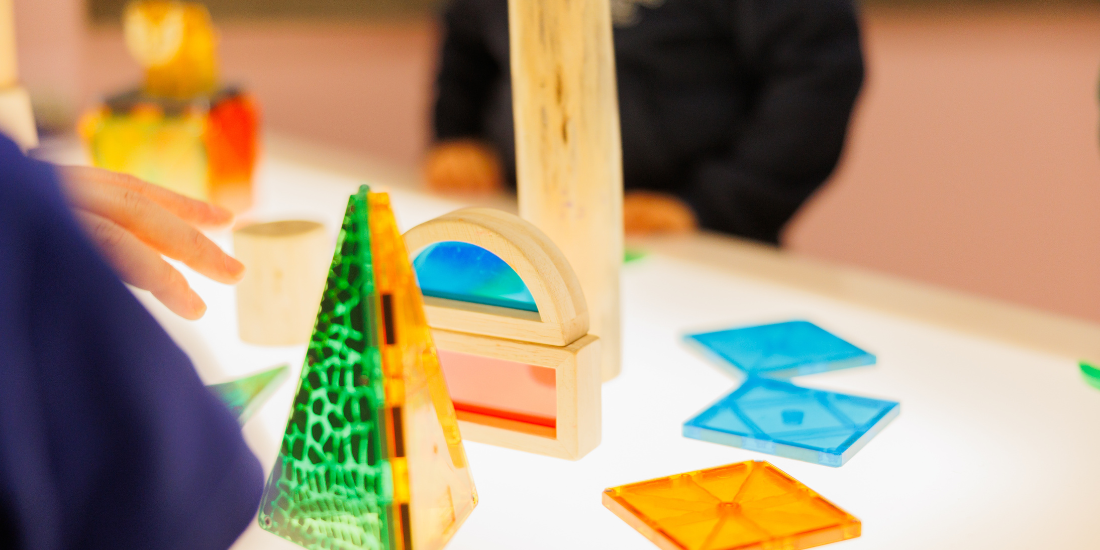
Learning does not have to feel formal to be effective. Everyday routines provide countless opportunities to reinforce pre-K skills in a natural way. Counting items during grocery shopping, identifying shapes while playing, or sorting laundry by color introduces math and reasoning concepts without pressure.
These daily interactions help children connect learning to real-life experiences. Play-based learning encourages curiosity and creativity while strengthening cognitive development. A strong guide for parents emphasizes that consistent exposure to learning moments matters more than structured lessons alone.
Supporting Social and Emotional Development
Social skills are a key component of kindergarten readiness. Encouraging interaction with peers through playdates, group activities, or community programs helps children practice sharing, cooperation, and communication. These experiences teach young learners how to manage emotions, resolve conflicts, and follow simple group rules.
Social development also builds confidence, which directly affects classroom participation. Children who feel comfortable interacting with others are often better prepared to adapt to new environments. Including social development strategies in your guide for parents helps balance academic readiness with emotional growth.
If you’re looking for more resources or personalized support to help your child thrive, reach out to The Learning World Venetian. Our school is dedicated to nurturing your child’s early learning journey with confidence and care.