From Playtime to Math Skills: What Pre-K Learning Actually Looks Like
In the world of early childhood education, pre-kindergarten in private preschools is often seen as merely playtime for young children. However, beneath the surface of fun and games, a wealth of foundational skills is being developed that prepare preschoolers for their future academic journey. The robust environment of pre-K learning is structured to harness a child’s natural curiosity and energy, guiding them towards the acquisition of critical math, literacy, and social skills. This post will explore the enriching experiences in today’s pre-K classrooms and how play becomes a vehicle for profound learning.
Building Early Math Skills Through Play
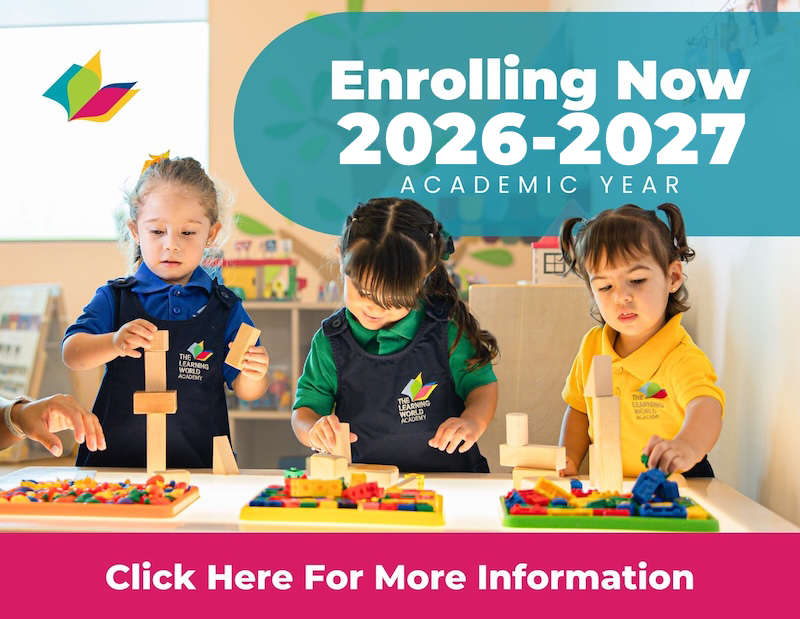
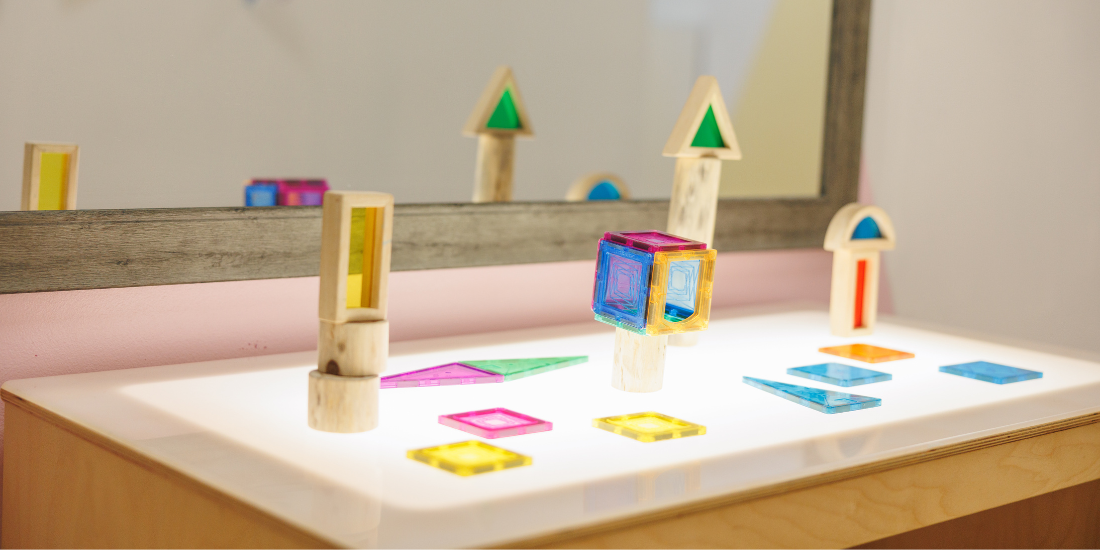
Pre-kindergarten classrooms in private preschools are bubbling with activity, often resembling a carefully orchestrated symphony of shapes, colors, and sounds. Here, play is not just recreation; it is a potent medium for teaching essential math skills. As young learners sort blocks, play number games, or create patterns with beads, they are developing a fundamental understanding of numbers and sequences, which are integral to mathematical reasoning. Teachers play a crucial role in subtly guiding these activities to reinforce concepts such as counting, spatial awareness, and basic arithmetic, making learning both engaging and educational.
Strengthening Literacy and Language Development
The holistic design of pre-K learning is evident in the growing emphasis on literacy, which is seamlessly woven into daily activities. Storytime, singing, and role-play encourage language development and phonemic awareness, which are precursors to reading and writing. Despite misconceptions about pre-K being just play, the strategic use of language-rich environments supports children’s verbal and cognitive growth. Supporting this educational framework, according to the Palm Beach Post, Florida’s preschool enrollment rate stands at 61%, the third highest in the country, showcasing the trust parents have in this pivotal stage of learning for future success.
Developing Social and Emotional Skills
Social skills development is another cornerstone of pre-K education in private preschools, crucial for children to thrive both in and out of the classroom. Interaction with peers during playtime helps little ones learn about cooperation, problem-solving, and empathy. Structured group activities teach them how to take turns, share resources, and understand different perspectives. These skills are not only important for individual development but also lay the groundwork for a collaborative and harmonious society.
What might appear as playtime in pre-K is, in fact, a well-crafted educational experience designed to foster various foundational skills. It cleverly intertwines play with structured learning to offer rich opportunities for intellectual and social development. As the popularity of pre-K programs continues to grow, marked by high enrollment rates like those in Florida, it is clear that these programs are pivotal in setting the stage for long-term academic and personal success. Thus, embracing the playful spirit of early learning does more than just prepare children for kindergarten; it gives them a head start in life. Visit us at The Learning World Venetian to learn more about what private preschools actually look like!