Why Emotional Development Is Just as Important as Academics in Preschool
The emphasis on early education today often zeroes in on scholastic achievement. While academics are undeniably crucial, emotional development plays an equally important role in the holistic growth of preschoolers. A balanced approach in an early learning center that incorporates both cognitive and emotional skills can cultivate well-rounded individuals equipped to face future challenges.
Nurturing Emotional Intelligence
Emotional development in preschoolers is foundational for lifelong success. According to UNICEF, 80% of a human brain’s structure takes shape up to age three, making these early years critical for nurturing emotional intelligence. Fostering skills such as empathy, self-regulation, and social interaction enables children to navigate complex social landscapes, laying the groundwork for healthy relationships and emotional resilience.
Daily practice matters, especially when adults model calm responses and give children language for emotions like disappointed, excited, worried, or proud. Guided activities such as turn-taking games, story discussions, and role-play give preschoolers low-pressure chances to recognize feelings in themselves and others.
Why Emotional Learning Environments Are Key
Preschools that incorporate emotional learning alongside academic instruction help children develop crucial life skills. Emotional learning environments encourage cooperation, communication, and patience among young learners. These skills not only enhance personal growth but also improve academic performance, as children who can manage their emotions are better poised to engage actively and constructively in educational settings.
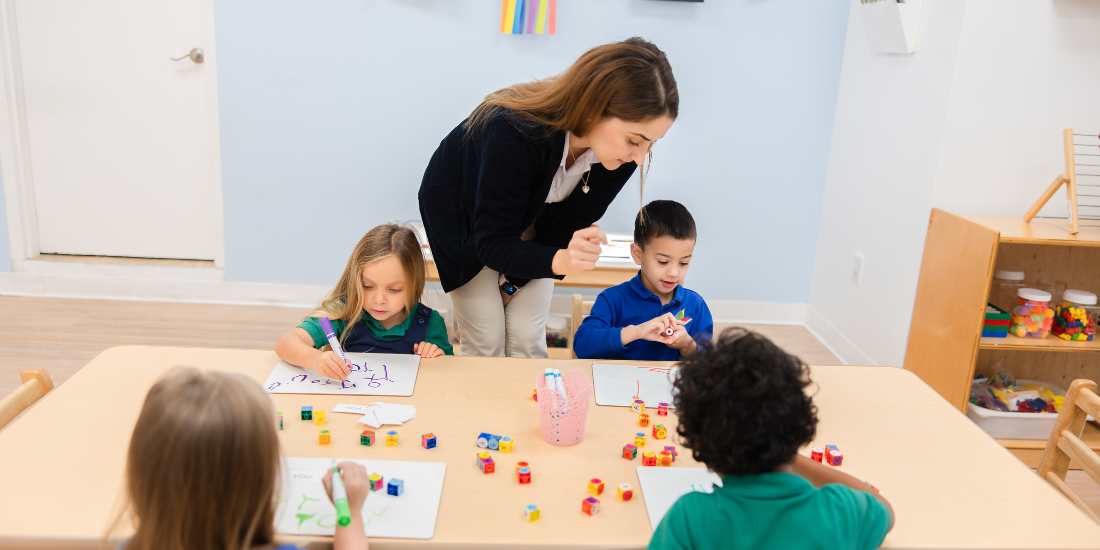
An early learning center classroom designed for emotional growth uses predictable routines, clear expectations, and supportive transitions so preschoolers know what comes next. When the environment feels safe and structured, children are more willing to participate, take academic risks, and collaborate with peers.
Setting the Foundation for Long-Term Success
The intersection of emotional and academic development has long-term benefits that extend beyond preschool. Children with strong emotional foundations tend to exhibit higher self-esteem and better problem-solving abilities. By valuing emotional growth on par with academics, preschool programs invest in creating adaptive, confident, and successful individuals who excel in diverse fields throughout their lives.
As your little one moves into more structured grades, emotional skills help them listen, collaborate, and stay focused, even when they feel distracted or disappointed. The ability to cope with feedback and keep trying after mistakes can influence how confidently children approach reading, math, and new responsibilities. Early emphasis on emotional development also strengthens family-school communication by giving adults shared tools and vocabulary to support growth.
While academics are essential in preschool education, emotional development should not be overlooked. By investing in emotional well-being during these formative years, we pave the way for healthier, more competent, and socially aware future generations. As a renowned early learning center, The Learning World Academy – Venetian focuses on equipping each young learner to thrive both inside and outside academia.